Secure Generator Choice Repair
Backup Power Systems: Your Reliable Solution for Constant Energy Flow
Backup generators provide crucial protection during grid failures. They function seamlessly, activating within seconds following an interruption. Running on diverse fuels, they make certain operations continue in times of crisis. Yet, grasping their utility and characteristics is vital for achieving a sound choice. What elements need consideration before acquiring such a system? The next segments discuss these vital considerations.
How Standby Generators Work: Their Operation
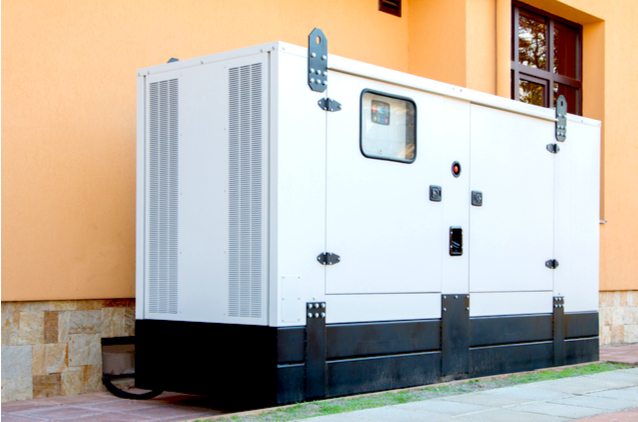
Backup generators are critical units that offer reliable emergency electricity when the grid fails. These units are usually placed on the exterior of the property, connected to the electrical system and powered by diesel, propane, or natural gas. When a power interruption occurs, a standby generator detects the loss of electricity and starts up instantly. This process involves an ATS (Automatic Transfer Switch), which disconnects the home from the grid and switches the load to the generator
(Portland Standby Generators)The unit subsequently generates power, supplying power to essential circuits or the entire facility, relative to its output. Most standby generators feature a built-in monitoring system which ensures correct operation and servicing. These units run for long durations, providing a reliable power source until utility power is restored. Understanding the mechanics behind standby generators helps homeowners appreciate their role in enhancing energy security and minimizing disruptions when the power suddenly fails
Why Install an Automatic Generator
Reliability is a significant advantage of installing a standby generator, since it ensures continuous electricity when the power fails. This vital function guarantees that homes and businesses remain operational, securing critical items and upholding livability. In addition, these generators improve protection through the avoidance of electricity loss that may result in risky circumstances, such as frozen pipes or medical equipment failures.
Value for money is a further advantage; while the upfront cost may be high, the long-term savings from avoided food spoilage, disrupted workflow, and emergency repairs can be substantial. In addition, backup power systems add value to the property, positioning them as an desirable characteristic for prospective purchasers.
Ease of operation is a key factor, as these generators turn on automatically during an outage, doing away with the requirement for human involvement. This seamless operation lets people to continue their everyday activities without interruption. Overall, setting up a standby system provides security, assuring that power is constantly supplied when needed most.
Key Features to Look for in a Backup Power System
When choosing a standby generator, a few vital attributes should be considered to guarantee peak performance and suitability for specific needs. Initially, the wattage capacity is crucial; buyers must determine the wattage documentation required to power necessary systems during an outage. Furthermore, the type of fuel—whether natural gas, LP, or diesel—influences operation and operational costs.
A further critical component is the transfer switch, which enables smooth transition of power and enhances safety. Construction and longevity are key factors; a robust generator can handle severe elements.
In addition, the volume of operation must be checked, as quieter models are preferable for home environments. Some generators offer automatic start capabilities, offering ease of use during unexpected outages. Finally, guarantee and maintenance plans should be reviewed, offering trustworthy maintenance and maintenance. By evaluating these features, future owners can select a standby generator that aligns with their individual power demands effectively.
Elements to Evaluate Before Purchase
Prior to purchasing a standby generator, potential buyers should carefully evaluate multiple critical elements to confirm they arrive at an educated choice. Portland Standby Generators. To start, they must assess their power needs by figuring out the necessary capacity to power essential devices during an outage. Secondly, the fuel type is vital; choices are natural gas, propane, or diesel, each possessing specific upsides and availability considerations
Additionally, buyers should consider the generator's transfer switch, which allows for smooth energy changeover. Installation details must also be considered, because specific units could demand expert setup or obtaining necessary permits
Warranty and service options deserve close attention, because they influence how satisfied you are in the long run. To conclude, buyers need to assess the generator's noise levels, above all if they are located in residential areas. By examining these factors, customers may pick a standby generator that best meets their unique needs and expectations
Maintenance Tips for Your Standby Generator

Consistent upkeep is vital for guaranteeing peak performance and the long life of a backup generator. Begin by checking the generator's oil levels, changing the oil and filter according to the manufacturer's recommendations. Make sure to check the air filter and change it when needed to guarantee optimal airflow. You should also test the battery and remove any terminal corrosion to maintain reliable starting power.
Conduct periodic load tests to ensure the unit can bear its rated capacity. Additionally, verify that the exhaust system is free of obstructions and leaks. Keeping the generator clean and free from debris can prevent the unit from overheating and having other issues.
As a final step, arrange for expert servicing at least once a year to address any potential problems and conduct thorough checks. Following these maintenance tips can maximize the longevity of a standby generator, providing peace of mind when the power goes out.
FAQs
How Much Do Standby Generators Typically Cost?
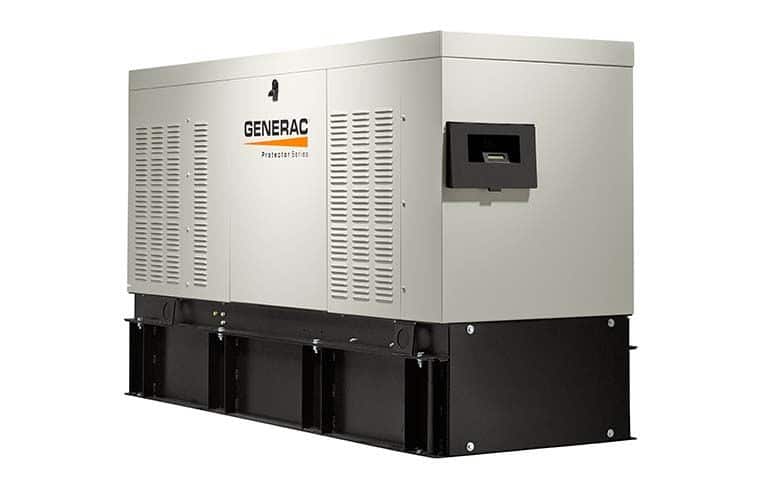
Standby generators typically cost from $2,000 to $15,000, based on elements like brand, power capacity, and how complex the installation is. Extra costs often involve fuel tanks, permits, and ongoing maintenance, which impacts the overall cost.
Am I Able to Install a Standby Generator on My Own?
Self-installation of a backup generator is feasible, but it requires knowledge of electrical systems and local codes. Many recommend employing a specialist to guarantee safety, conformance, and the best operation of the generator installation.
What Fuels Do Standby Generators Use?
Standby generators commonly run on energy sources such as natural gas, propane, diesel, or gasoline. Portland Standby Generators. The choice of fuel is frequently influenced by the cost, availability, and particular power requirements, which impacts the functioning and efficacy of the generator
Are There Any Permits Required for Installation?
Permits are frequently necessary for the installation of standby generators. Rules differ depending on the area, so it is vital for those installing the unit to speak to the municipal government to ensure adherence with all relevant codes and requirements.
How Long Can a Standby Generator Run Continuously?
A standby generator can run continuously for a range of periods, most commonly lasting 24 to 48 hours, contingent upon the demands and the fuel source. Consistent servicing provides optimal functioning and extended lifespan during prolonged periods of use.